
When you have braces, it’s crucial to avoid certain foods to prevent damage and ensure a smooth orthodontic journey. Hard, sticky, and sugary foods can break brackets, bend wires, and cause plaque buildup. Read on to learn which specific foods to avoid with braces and discover safer alternatives.
Key Takeaways
Avoid hard, sticky, and chewy foods to prevent damage to braces and enhance oral hygiene.
Limit sugary and acidic foods to protect tooth enamel and maintain overall dental health.
Opt for softer, braces-friendly foods and maintain a consistent oral care routine for a healthier smile.
Maintain a nutritious diet to support both oral health and overall health during orthodontic treatment.
Introduction to Braces Care
Wearing braces is a big step toward achieving a beautiful, healthier smile, but it also means paying extra attention to your oral health and eating habits. Certain foods can pose a real threat to your orthodontic appliances, such as brackets and wires, and may even prolong your orthodontic treatment if not avoided. Hard and crunchy foods like nuts, hard candies, and popcorn can break brackets or bend wires, leading to unexpected trips to the orthodontist and delays in your treatment. Sticky and chewy foods—including caramel, gummy bears, and chewing gum—can easily get stuck in your braces, making it difficult to clean your teeth and increasing the risk of tooth decay.
Understanding which foods to avoid with braces is essential for anyone on an orthodontic journey. By steering clear of hard candies, crunchy foods, and sticky and chewy foods, you can help keep your braces in top shape and ensure your treatment stays on track. Adopting smart eating habits and being mindful of the foods you choose will not only protect your orthodontic appliances but also support your overall oral health throughout your braces experience.
Hard Foods to Avoid
Hard foods can be a nightmare for anyone wearing braces. They can severely damage your braces, leading to broken damage brackets or bent wires, which can cause discomfort and delay your treatment. Imagine biting into a hard taco shell or a piece of ice, only to feel a snap—it’s not just painful, but it also means an extra trip to the orthodontist. Chewing ice can potentially damage the wire component of braces, such as breaking a bracket or displacing the wire. Damage braces can be a serious concern for those undergoing orthodontic treatment and can even lead to situations where you might break brackets.
Steering clear of certain hard foods, including hard nuts and hard and crunchy foods, can help you avoid completely such mishaps. Some prime examples of foods high in risk include:
Nuts
Hard taco shells
French bread crust
Raw vegetables
Hard fruits
Bagels
Hard rolls
Pizza crust
Crunchy foods
Biting directly into these can easily break or bend your braces’ components. Foods like bagels, hard rolls, and pizza crusts are also on the list of foods to avoid biting, as they require biting through significant force, posing a risk to your braces.
Small precautions, such as cutting hard foods into bite-sized pieces or choosing cooked vegetables over raw ones, can make a significant difference. Avoid with braces these hard foods protects your braces and ensures a smoother, more comfortable orthodontic journey. Additionally, cut food into small pieces can further enhance your experience.
Sticky and Chewy Foods
While sticky and chewy foods might be delicious, they can spell trouble for anyone with braces. These foods tend to get stuck in the brackets and wires, causing plaque build up and increasing the risk of cavities. Imagine enjoying a caramel candy, only to find it lodged in your braces, creating a sticky mess that’s nearly impossible to clean.
Caramel, taffy, gummy bears, gummy candies, sticky candies, and hard candies are examples of sticky and chewy foods to avoid, including hard candy and jolly ranchers. Gummy candies and sticky candies are particularly problematic because they can stick to braces and increase the risk of damage or hinder orthodontic progress. These sticky foods can lead to complications like increased plaque buildup and a higher chance of developing cavities.
Overall, avoiding sticky and chewy foods while wearing braces is best. They not only pose a risk to your oral health but also make cleaning your braces more challenging. Avoiding these foods is a significant step toward maintaining a healthy smile and ensuring your braces work effectively.
Sugary and Acidic Foods
Sugary and acidic foods can lead to tooth decay and enamel erosion, which are particularly concerning for individuals with braces. Imagine sipping on a diet soda or enjoying a sports drink, only to realize that you’re exposing your teeth to harmful acids that can weaken your enamel.
Acidic beverages and foods that can harm your teeth include:
Soft drinks, diet sodas, sports drinks, and lemonade
Acidic foods like tomatoes in ketchup and sauces
Citrus fruits, such as lemons and oranges, which can significantly damage tooth enamel due to their high acidity levels.
Limiting your intake of sugary and acidic foods protects your teeth and braces. These foods pose a risk to your dental health and make maintaining oral hygiene more challenging. Mindful dietary choices ensure a healthier smile and more effective orthodontic treatment.
Popcorn and Similar Snacks
Popcorn might be a favorite snack for many, but it’s one of the worst foods to eat with braces. The kernels can easily get lodged in your braces, causing discomfort and potential damage. Enjoying a movie night can quickly turn frustrating if you spend the rest of the evening trying to dislodge a stubborn popcorn hull from your braces.
Chewing on certain foods can cause problems for dental appliances and soft tissues in your mouth:
Hard popcorn kernels can break wires or brackets, causing discomfort and extended treatment times.
The sharp edges of popcorn hulls can cut or irritate the soft tissues in your mouth.
Corn chips and hard pretzels pose similar risks and should be avoided.
Skipping popcorn and similar snacks can help you avoid these issues. Opt for softer, braces-friendly alternatives to ensure a smoother and more comfortable orthodontic journey. These small changes significantly protect your braces and maintain your oral health.
Preparing Safe Foods
Preparing safe foods is a key part of maintaining your braces and enjoying your meals while undergoing orthodontic treatment. When you wear braces, it’s important to modify the way you prepare and eat certain foods to avoid damaging your brackets and wires. One of the best strategies is to cut hard foods into smaller, bite-sized pieces, making them easier to chew and less likely to cause harm. For example, instead of biting directly into an apple or carrot, slice them into thin pieces or cook them until they’re soft.
Opting for softer foods like mashed potatoes, scrambled eggs, and ripe fruits such as bananas can make eating with braces much more comfortable. Cooking vegetables until they’re tender and choosing foods that don’t require excessive chewing are simple ways to protect your braces. By adapting your eating habits and preparing foods thoughtfully, you can still enjoy a wide variety of meals while keeping your orthodontic treatment on track.
Safe Eating Tips
Navigating dietary restrictions with braces doesn’t have to be challenging. With a few practical tips, you can enjoy your meals without worrying about damaging your braces. A simple yet effective strategy is to cut your food into smaller pieces. Foods like corn on the cob and raw apples should be sliced into bite-sized portions to reduce the risk of damaging your braces.
Choosing softer foods can significantly impact your eating habits. Examples of soft foods that are easy to consume and gentle on your braces include:
Yogurt
Mashed potatoes
Scrambled eggs
Steamed or boiled soft vegetables, which provide essential nutrients without risking your orthodontic appliances
Fish, which flakes easily and is another excellent choice.
Chewing your food slowly and chew carefully helps avoid dislodging brackets or wires, ensuring your braces remain intact. Following these safe eating tips maintains your oral health and ensures a healthier smile throughout your orthodontic treatment. If you wear braces, it’s especially important to be mindful of your eating habits.
Foods You Can Enjoy with Braces
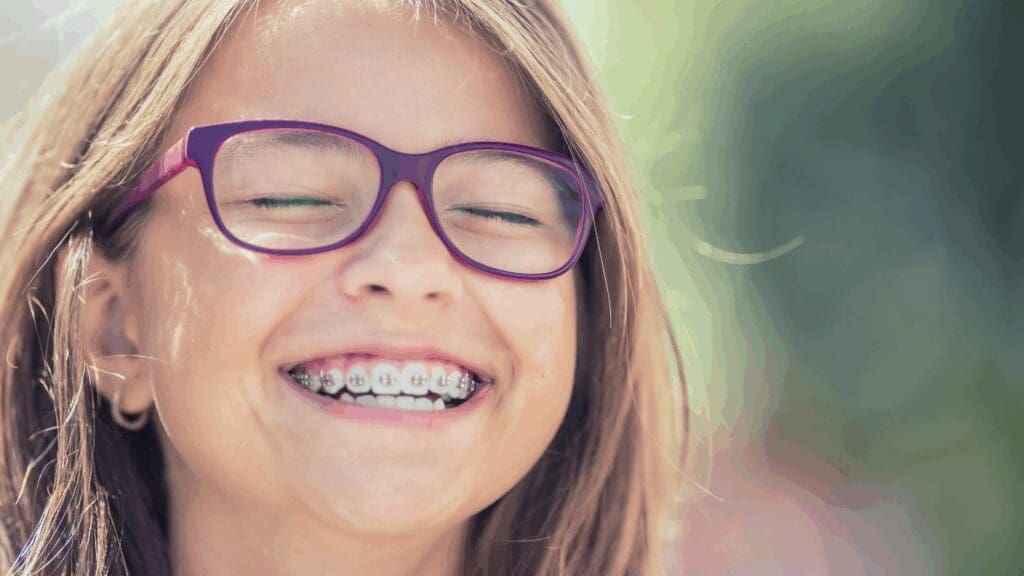
Although many foods are off-limits with braces, plenty of delicious options remain. Soft foods are gentler on braces and less likely to cause damage. Safe and tasty options include scrambled eggs, overcooked pasta, and smoothies.
Braces-friendly snacks include yogurt, smoothies, mashed potatoes, and scrambled eggs—nutritious choices that are gentle on your braces. Softer fruits like applesauce and bananas are ideal, providing essential nutrients without risking your orthodontic appliances.
Exploring braces-friendly foods allows you to enjoy a varied and satisfying diet while protecting your braces. These foods help maintain oral health and make your orthodontic journey more enjoyable and less restrictive.
Maintaining Oral Health with Braces
Maintaining oral health with braces requires a diligent and consistent routine. Brushing after meals with a soft-bristled toothbrush prevents plaque buildup around your braces. Staying hydrated helps rinse away food debris and keeps your mouth clean.
Maintaining good oral hygiene is especially important during orthodontic treatment to prevent gum disease, which can be a risk if plaque is not properly managed around braces.
To maintain better oral hygiene with braces, consider the following practices:
Swish water after meals to clear food particles from your braces.
Attend regular dental check-ups to monitor your oral health and address any issues.
Use interproximal brushes to effectively clean the areas between wires and brackets, ensuring comprehensive oral care.
Following these oral health tips keeps your teeth in top shape and ensures successful and effective orthodontic treatment while undergoing orthodontic treatment in the right position. A healthier smile starts with good oral hygiene; make these practices part of your daily routine.
Special Considerations
When wearing braces, it’s important to pay attention to special considerations that can help you avoid unnecessary damage and maintain your oral health. Avoid biting into foods with your front teeth, especially when it comes to raw vegetables or hard fruits, as this can put extra pressure on your braces and increase the risk of breakage. Instead, cut these foods into smaller pieces and chew carefully with your back teeth to minimize the risk.
Additionally, be mindful of foods that are high in sugar or acid, as they can contribute to tooth decay and erosion around your brackets and wires. Making small adjustments, like choosing softer fruits and preparing foods in smaller pieces, can make a big difference in protecting your teeth and braces. By staying aware of these special considerations, you’ll help ensure your orthodontic treatment progresses smoothly and your smile stays healthy.
Braces in Las Vegas
If you’re in Las Vegas and looking for expert orthodontic care, Smiles Today Dental is the place to go. The orthodontic team at Smiles Today Dental has extensive experience in delivering braces and orthodontic services across all age groups. They use cutting-edge technology to ensure the precise and comfortable application of braces.
Dr. Amar Kerio, the lead dentist, has over 26 years of experience and is a certified Invisalign provider. Smiles Today Dental offers personalized orthodontic care designed to fit individual lifestyles and budgets. They provide various financing plans to make braces accessible and affordable for all patients.
Whether you opt for traditional metal braces or clear aligners like Invisalign, Smiles Today Dental ensures that your orthodontic journey is as smooth and comfortable as possible with new braces. With their expertise and dedication to patient care, you can achieve a beautiful and healthier smile.
Summary
Navigating dietary restrictions with braces can seem overwhelming, but with the right knowledge and tips, it becomes much more manageable. By avoiding hard, sticky, chewy, sugary, and acidic foods, you can protect your braces and ensure effective orthodontic treatment. Opting for softer, braces-friendly foods and following safe eating tips can make your journey smoother and more comfortable.
Maintaining oral health with braces is crucial for a successful outcome. Regular brushing, staying hydrated, and using the right tools can keep your teeth in top shape. And if you’re in Las Vegas, Smiles Today Dental offers expert orthodontic care to help you achieve a beautiful smile. Embrace these tips and enjoy a healthier, brighter smile with braces.
